Skip to content

Cart

Your cart is empty

Traditional craft techniques

Techniques of Japanese Traditional Craftsmanship

Kyo-Yuzen - Hand-printed


Deep flavor created by handwork

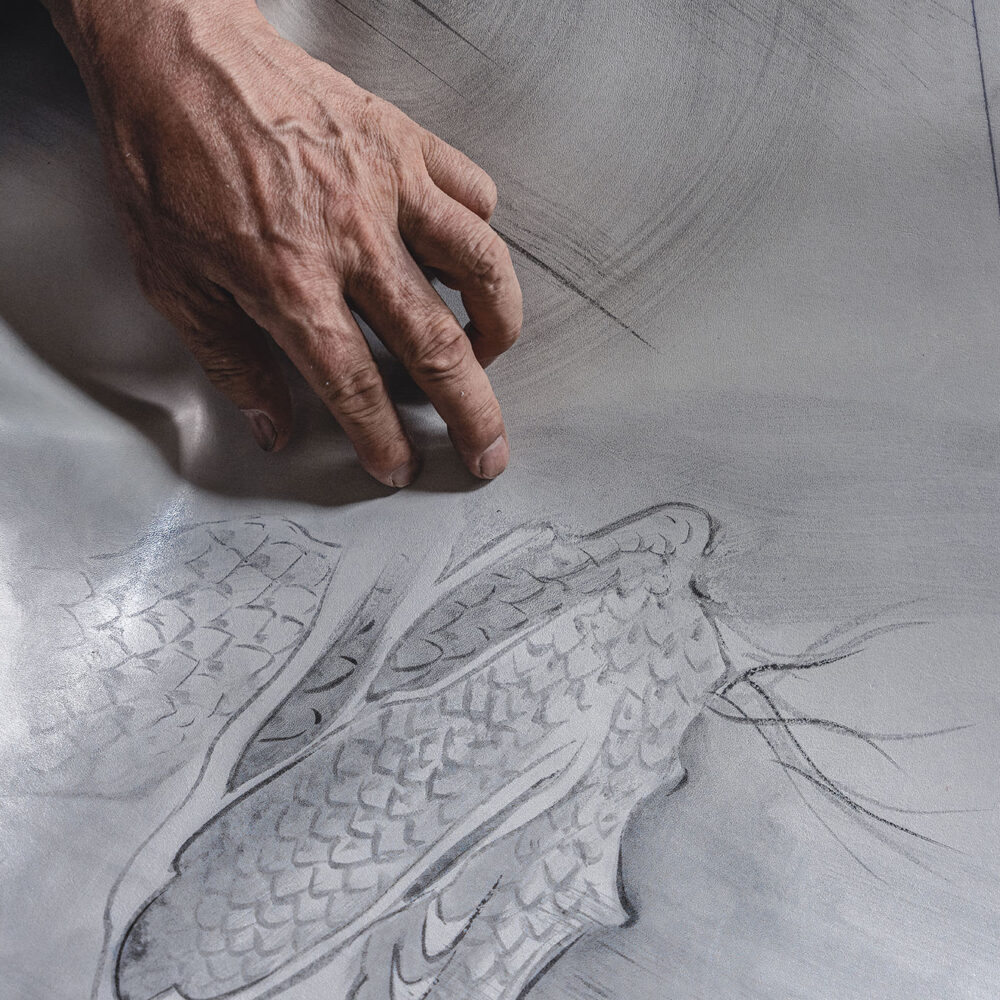
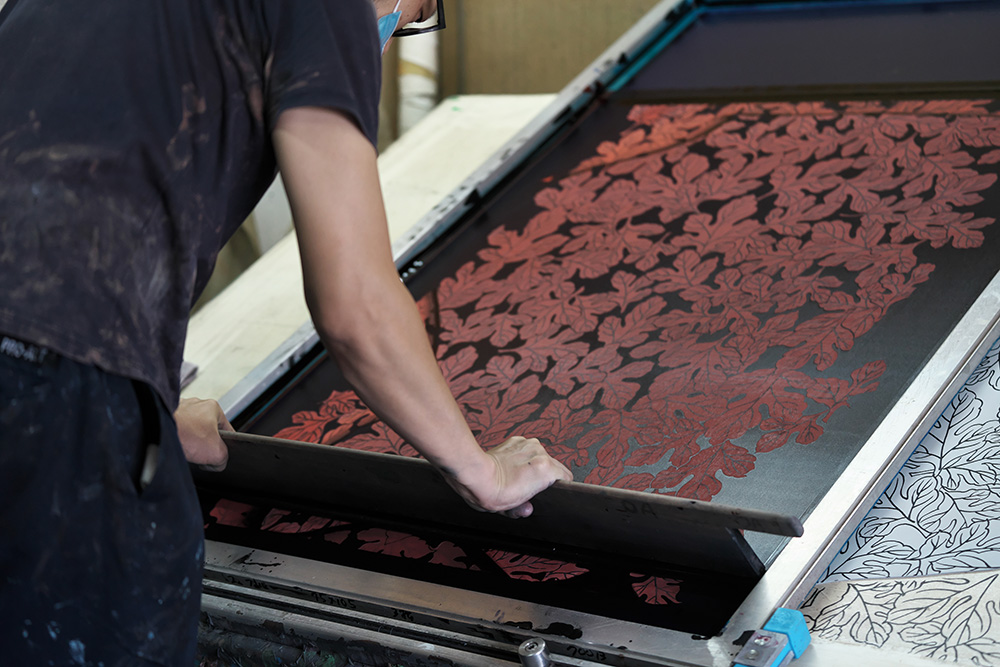
Kyo-Yuzen artisans dye a single pattern by precisely overlapping multiple stencils. This beauty is made possible by the long history and experience of the artisans. This is how the exceptionally beautiful natural leather is born, something that cannot be achieved by pigment dyeing or inkjet printing, which places ink on the surface.
DSC05505mini
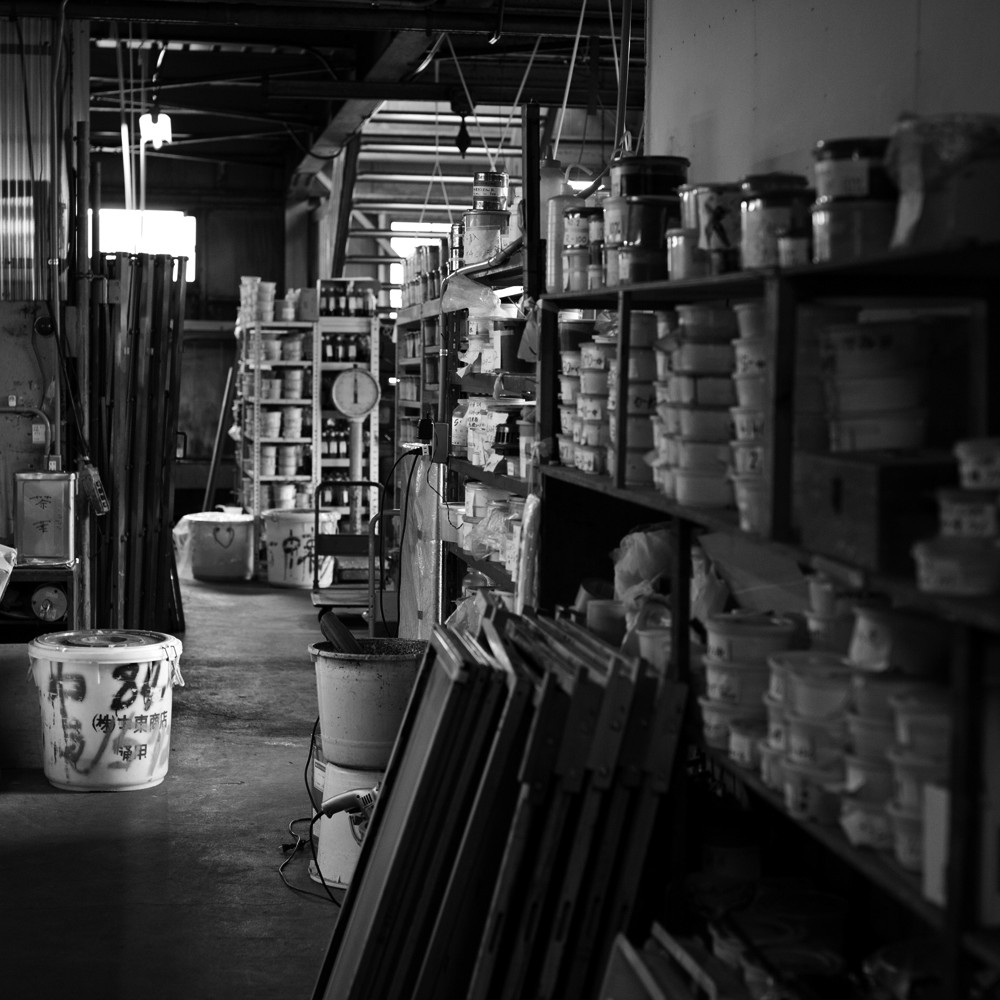
Ancient style factory

High-temperature steaming for color fixation and development

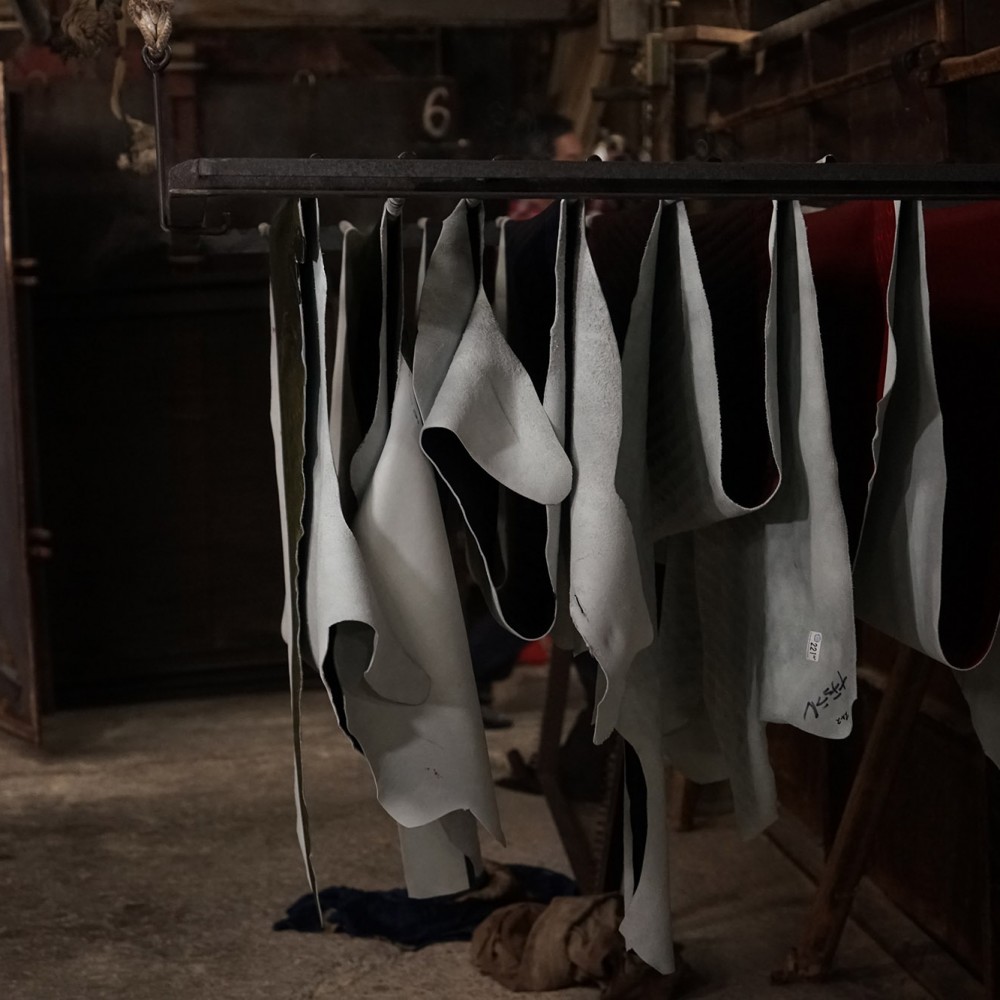
One of the characteristics of Yuzen leather is the high-temperature steaming that enhances the color development of the dye. Normally, leather fibers break down and become damaged when exposed to heat or soaked in water. Yuzen and leather craftsmen pooled their knowledge, repeatedly examined the leather, and delicately adjusted the steaming time and temperature to overcome this characteristic. The result is delicate colors that cannot be expressed by machines.

DSC09950

Kyo-Yuzen - Hand-painted


Put your thoughts into each stroke

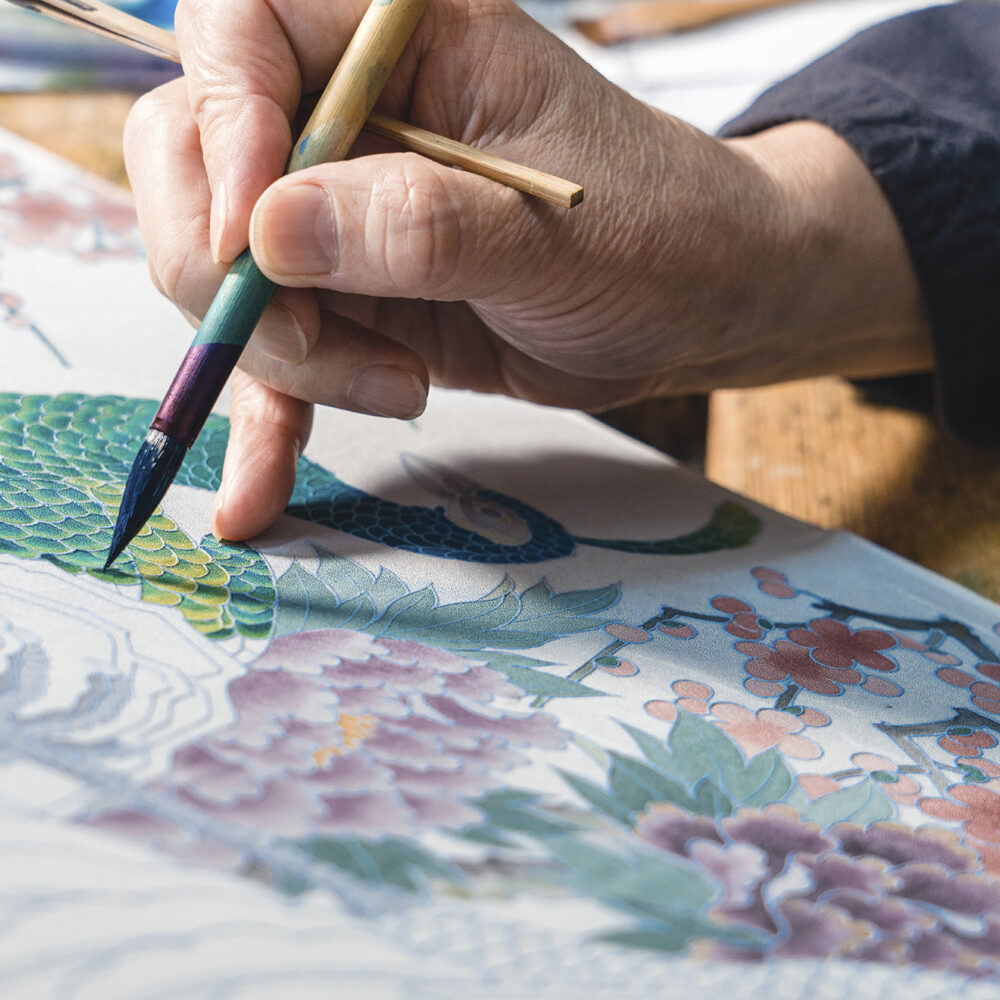
Unlike conventional patterning techniques, it allows you to create free and multicolored patterns.
The dyeing method has the excellent characteristics of not losing its color even when immersed in water, and remaining flexible no matter what kind of silk is used, and this is combined with the elegant patterns.
Yuzen dyeing has been passed down and developed continuously to this day.
It allows for delicate and beautiful expressions that cannot be achieved with inkjet or hand printing.

DSC03395
着物で培われた色・柄の美しさ

Kyo-Yuzen - Sumigashi dyeing


A once-in-a-lifetime encounter

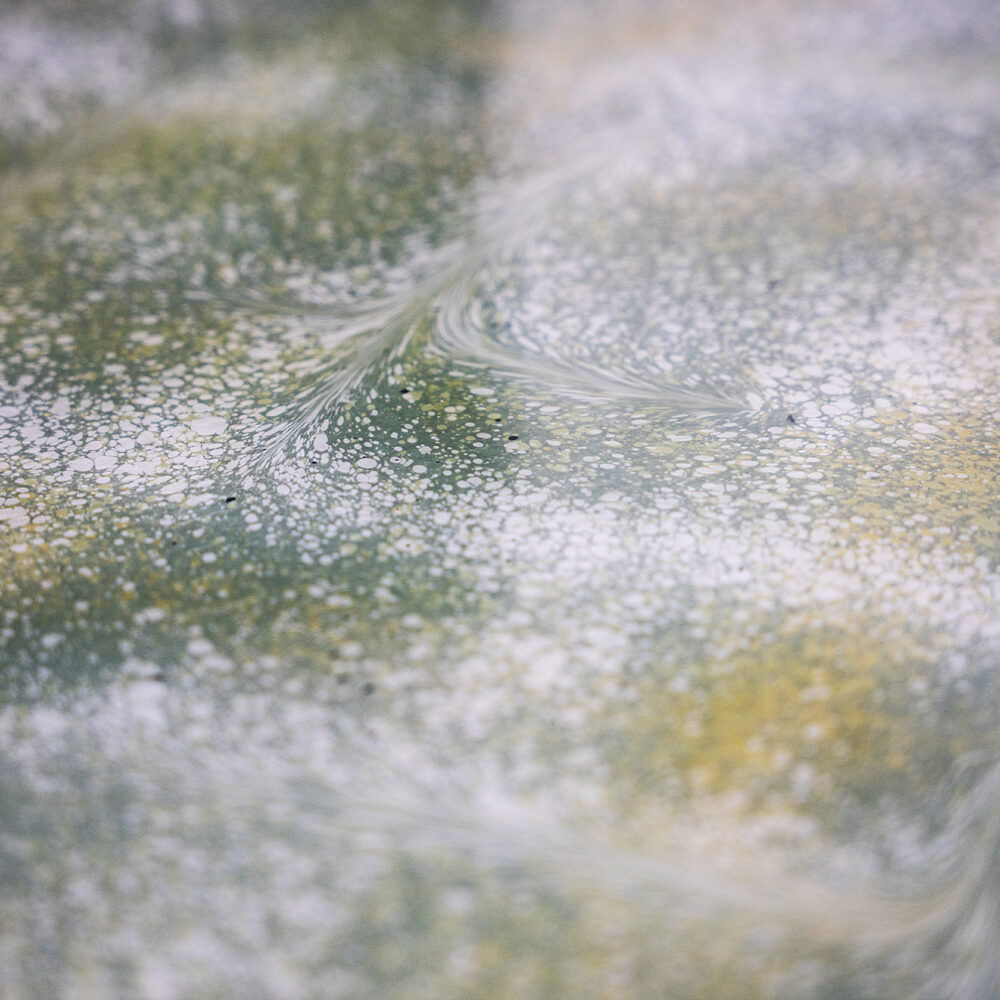
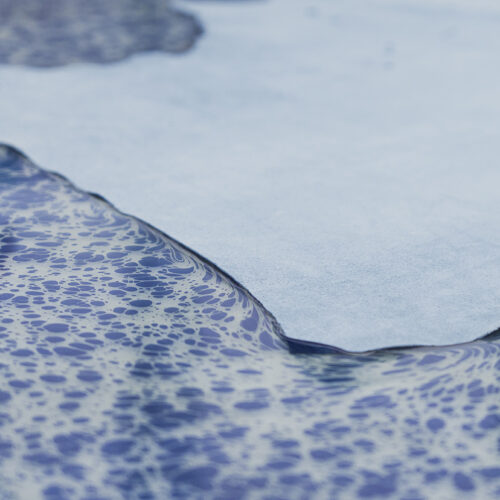
It is said that the technique originated in the Heian period when a court lady dropped ink into water. It then developed into a processing technique for Japanese paper, and today it has been perfected as a technique used for processing pure silk kimonos. As the metaphor of "pour ink (black) (hardship) into water" suggests, suminagashi has been considered a precious pattern for the Japanese people. Furthermore, each design is truly one-of-a-kind, and it has attracted attention from all quarters as an unparalleled, ultimate dyeing technique.

DSC04950
DSC05440

Nishijin Obi Leaf - Gold and Silver Leaf Pattern (Drawing Leaf)


Depth created by overlapping lights

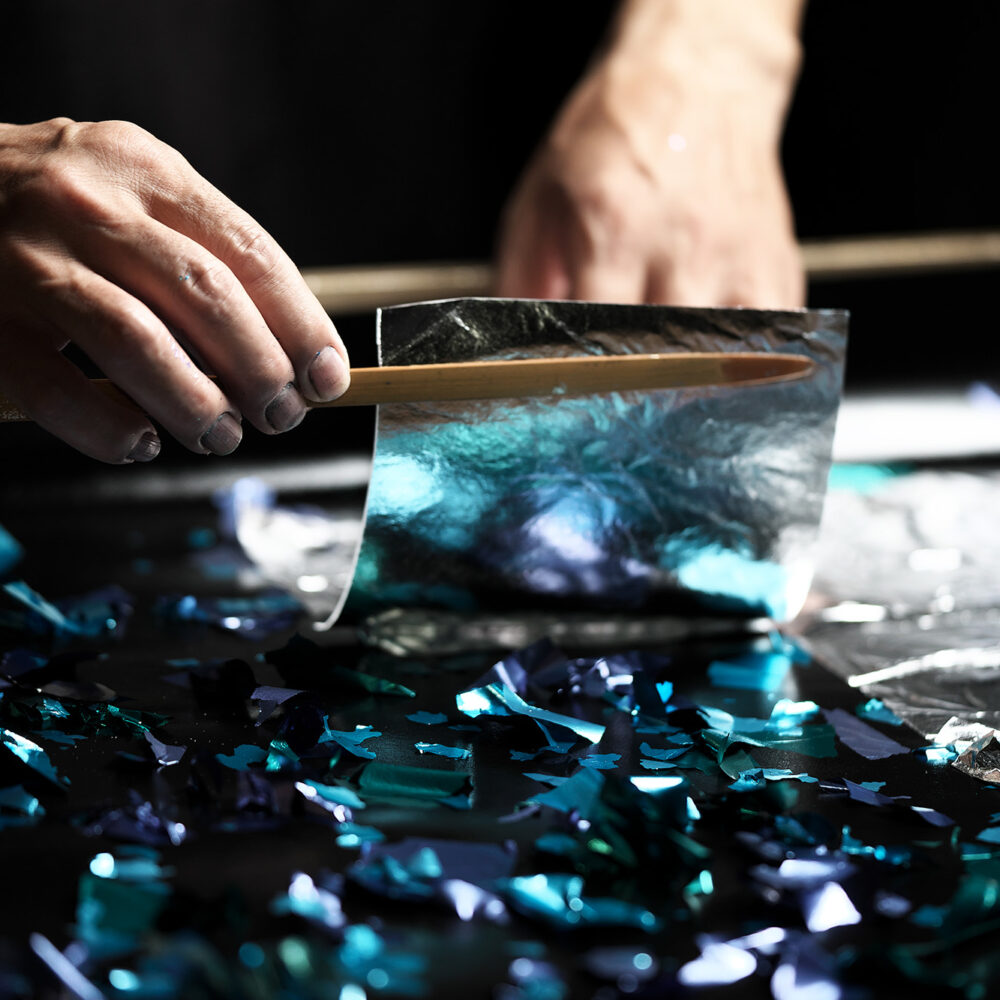
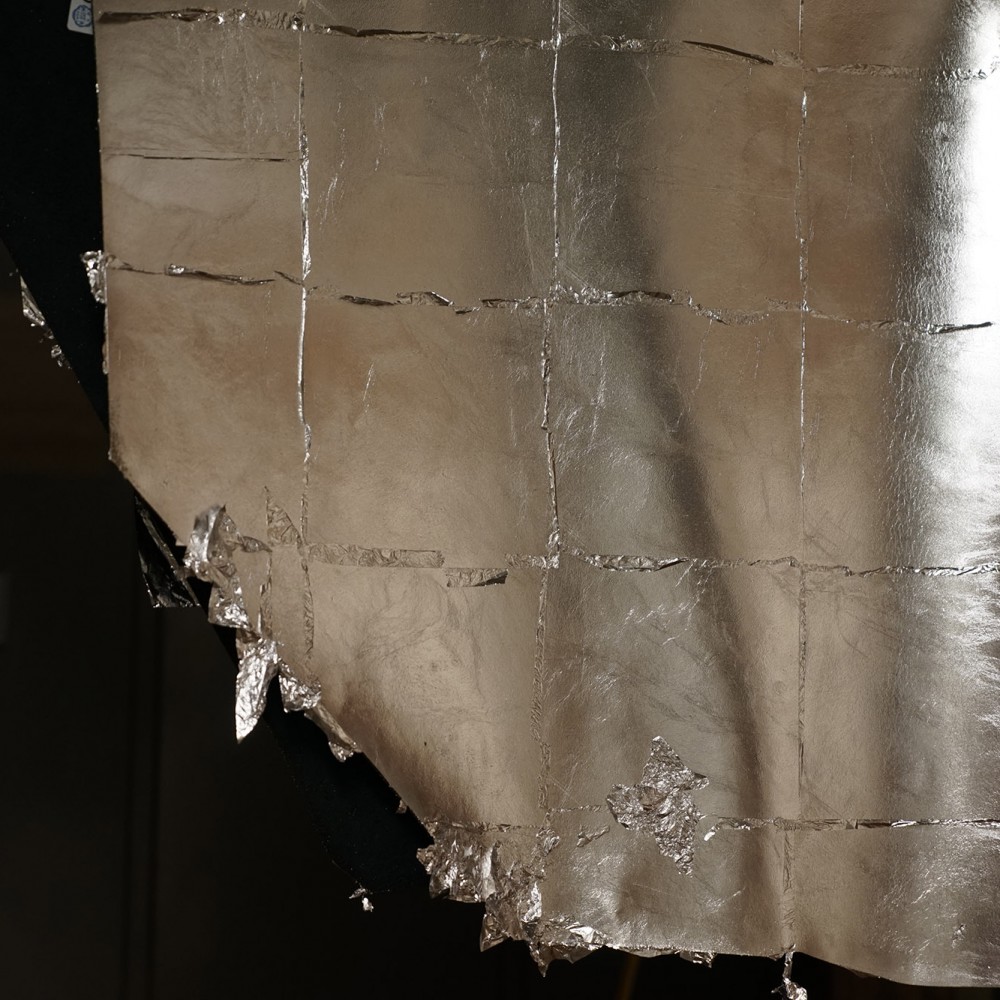
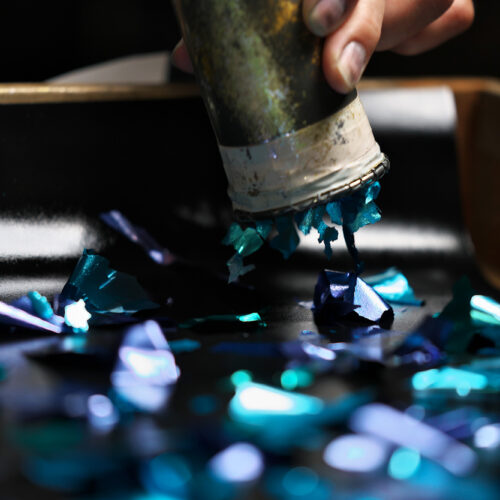
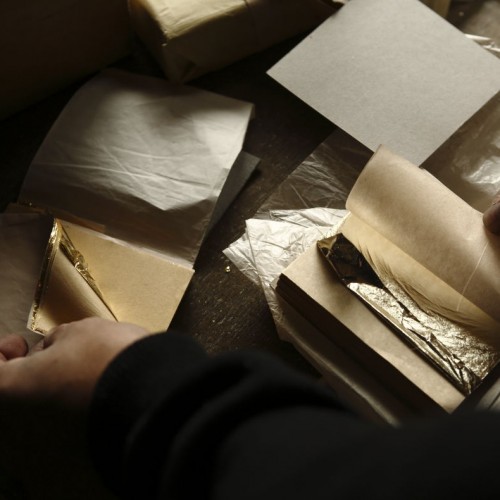
Patterned foil (drawn foil) does not express a pattern on its own, but rather plays a role in making the pattern of the fabric more effective. The patterns created by layering multiple layers of foil and paint are thin and flexible, and do not impair the texture of the material, yet they have depth (three-dimensionality), and their variations have infinite possibilities.

西山治作商店 金銀箔
Kyoto leather silver leaf
西山治作商店
Gold leaf materials

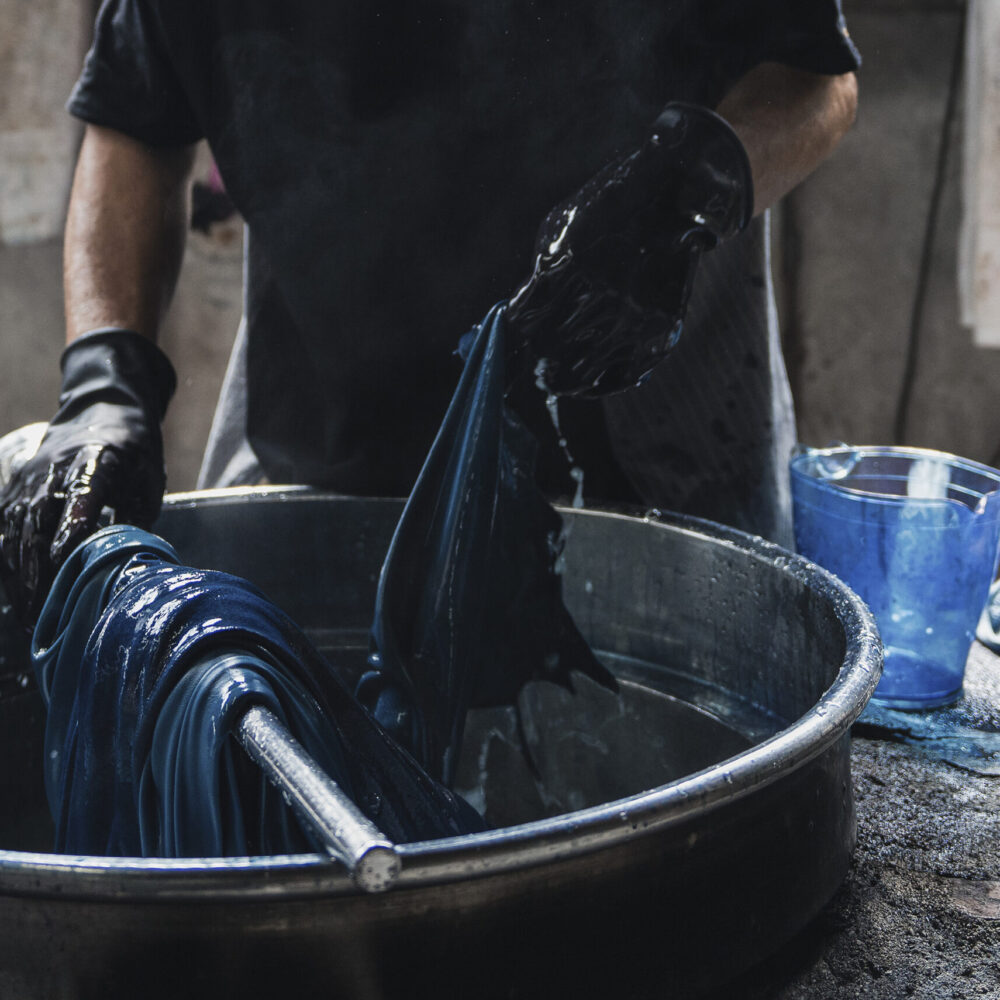
Natural plant dyeing


Beautiful colors created by the beauty of nature

Indigo, rosewood, crimson, safflower, cherry blossom, madder...
In Japan, dyes extracted from various plants have been used since ancient times.
At KYOTO Leather, we use natural colors created by nature to bring out the best in the leather's unique texture.

DSC02042
rosewood